Showing posts with label Visual Understanding. Show all posts

Monday, December 18, 2017

Strava Heat Map

Strava is an app that tracks your activity with GPS (biking, running. skiing, etc.). On November 1, 2017 Strava unveiled a global heatmap of the most active exercise spots on the planet.
“A global community can seem very abstract until you see its activities visually represented in your immediate location and across the world.”
- Strava CEO James Quarles

Strava Interactive Heat Map

U.S.
Fairfield County, CT

Friday, October 2, 2015

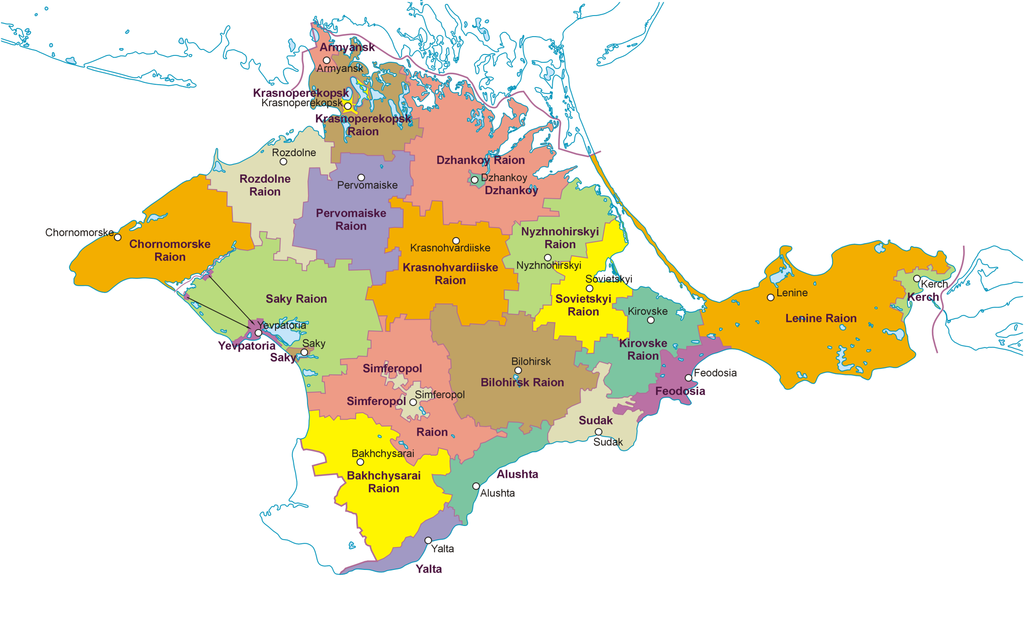
Visual Quick Study: The History of Crimea thru Maps


The Crimean Peninsula has a colorful history and has been a hotly contested area throughout history. It has been conquered and settled by a large number of varied cultures.

Scythia  
11th century BC to the 2nd century AD


The recorded history of the Crimean Peninsula, begins around the 5th century BC when several Greek colonies were established along its coast. The southern coast remained Greek in culture for almost two thousand years as part of the Roman Empire (47 BC -330 AD), and its successor states, the Byzantine Empire (330 AD - 1204 AD), the Empire of Trebizond (1204 AD - 1461 AD), and the independent Principality of Theodoro (ended 1475 AD). 

Greek Colonies  
7th to 5th century BCE.


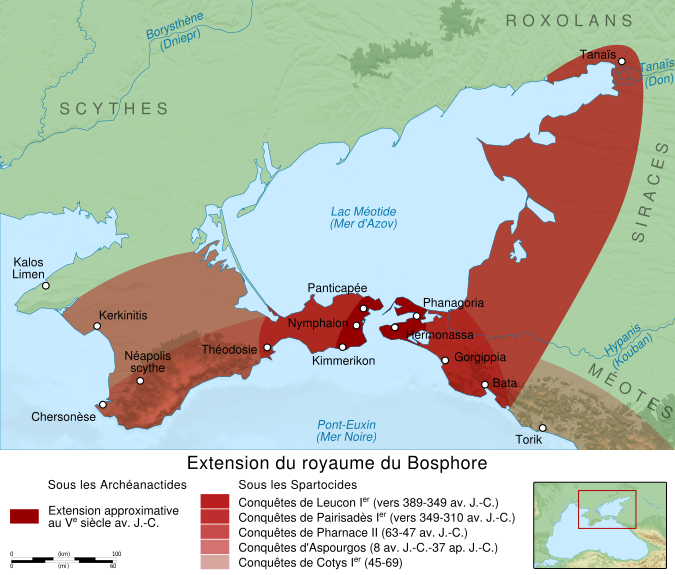
Bosporan Kingdom
38 BC- 370 AD

- Invasion of the Goths in the 2nd century AD -


Gothia 
(Approximately 500 C.E. to 800 C.E. )


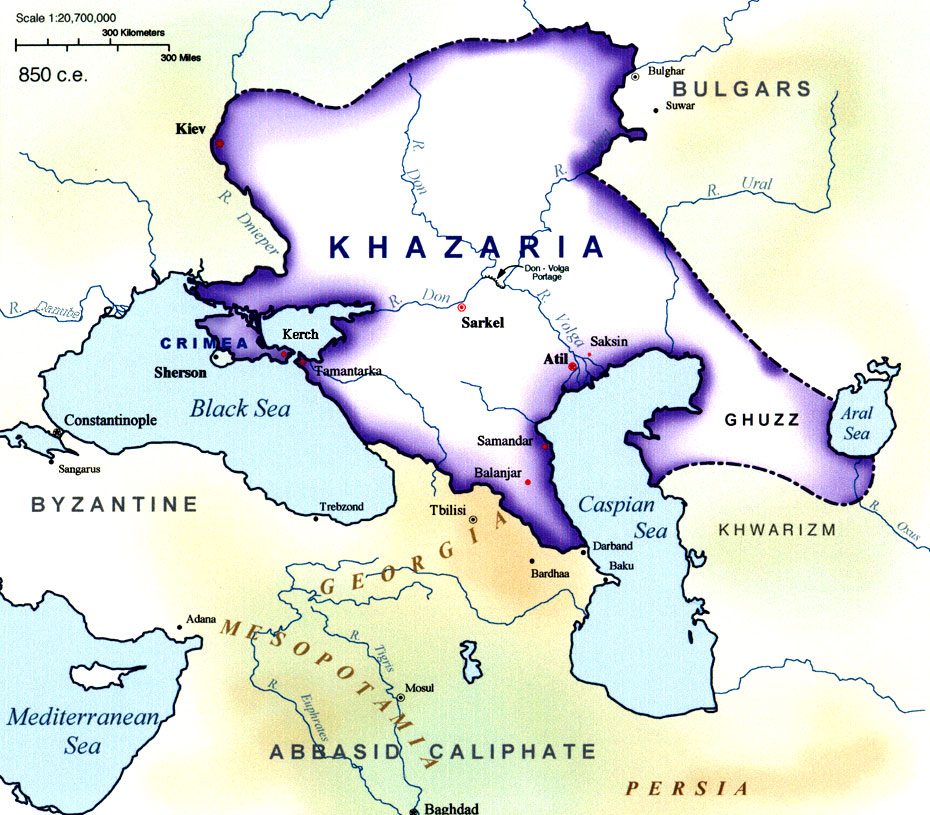
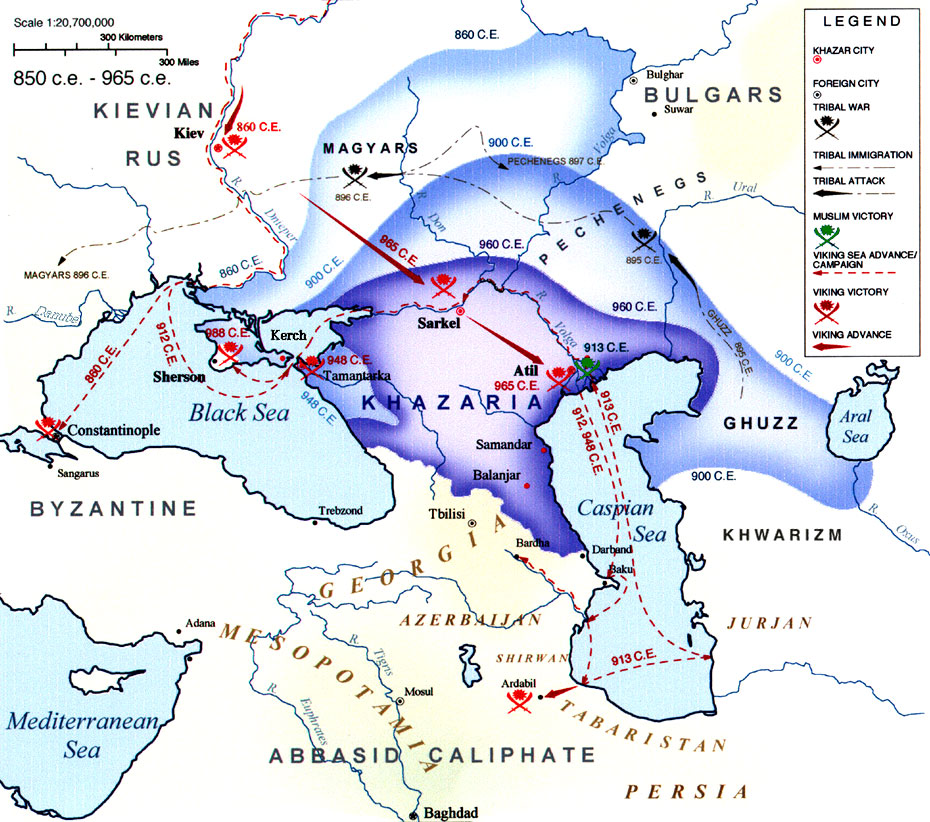
Khazria  
850 C.E. to 965 C.E.


 Article;

Gothia

Wikipedia Article >

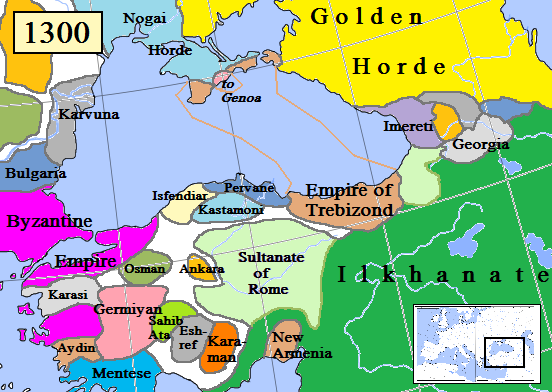
Empire of Trebizond 
Approximately 1300s


Principality of Theodoro
Early 14th century–1475

In the 13th century, although some port cities were controlled by the Venetians and by the Genovese (see above) -- the Crimean interior was much less stable . The interior endured a long series of conquests and invasions; by the early medieval period it had been settled by Scythians, Greeks, Romans, Goths, Huns, Bulgars, Khazars and others. 

Mongol Invasion 
1223–1240

In the summer of 1238, Batu Khan devastated the Crimea

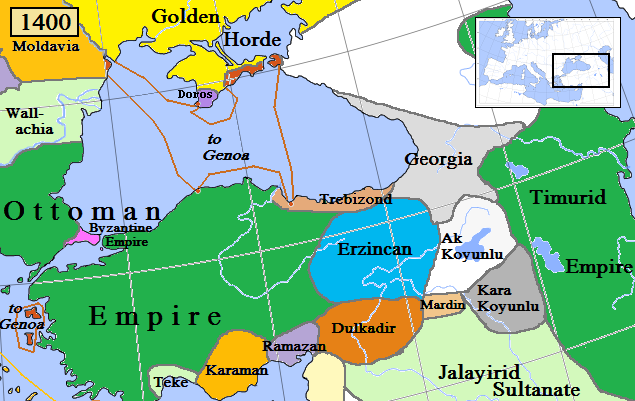
In the medieval period, it was acquired partly by Kievan Rus', but fell to the Mongol invasions as part of the Golden Horde. They were followed by the Crimean Khanate and the Ottoman Empire, which conquered the coastal areas as well, in the 15th to 18th centuries.

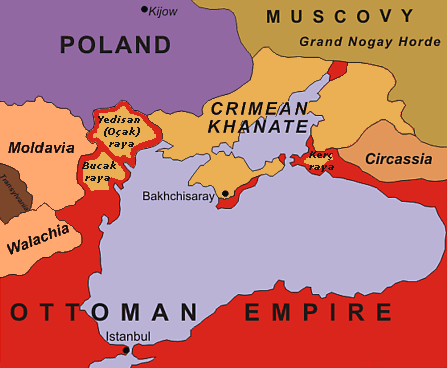
Crimean Khanate
1449 - 1773


Ottoman Empire
1299–1923


The Novorossiysk Governorate ("New Russia") was established in 1764

The modern history of Crimea begins with the annexation by the Russian Empire in 1783. In 1921 the Crimean Autonomous Soviet Socialist Republic was created. This republic was dissolved in 1945, and the Crimea became an oblast first of the Russian SSR (1945-1954) and then the Ukrainian SSR (1954-1991). 
Crimean Autonomous Soviet Socialist Republic
 1921–1992


Languages Spoken in the Crimean Peninsula

Since 1991 the territory was covered by the Autonomous Republic of Crimea and Sevastopol City within independent Ukraine. During the 2014 Crimean crisis, independence was declared and a referendum on whether to join Russia was held. The peninsula subsequently was annexed to the Russian Federation as two federal subjects (1) the Republic of Crimea and (2) the federal city of Sevastopol.

Friday, September 12, 2014

Dumbing Down with GPS (?)

Smartphones and the Uncertain Future of 'Spatial Thinking'


Like any technology, digital maps are changing our brains as well as our behavior.

Experts who study the issue are concerned that spatial thinking might be the next casualty of technological progress. "Basically, people don't really learn their environments". The worry is we may become, as a society, what the Japanese call hōkō onchi—deaf to direction.

Studies conducted over the last decade have shown that GPS navigation has a generally damaging effect on the user's ability to remember an environment and reconstruct a route. Asked to recall various aspects of their surroundings, participants using GPS navigation performed 20 percent worse than their paper-map peers.

Article >


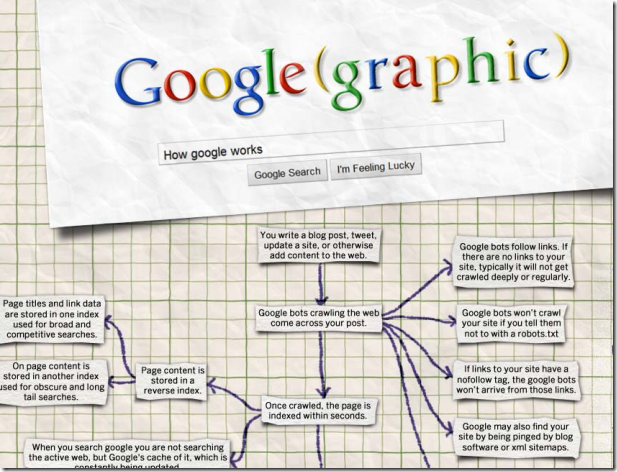
How Google Works


Wednesday, January 8, 2014

Life Expectancies Infographic


Charting the Life Expectancies of the World's Countries


(with link to magnifiable infographic)

Based on data from CIA's World Factbook and the Encyclopedia Britannica. 
A fascinating study and stunning visual summation.

Sunday, August 11, 2013

Stravinsky's Rites of Spring

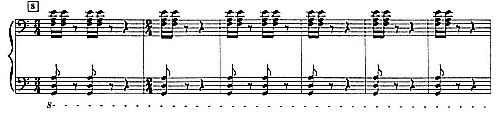
Reading a score is like reading a map, musical notation is simply a series of symbols (staff, clef, note, articulation marking, etc.) that when combined together, visualize information - in this case aural info.

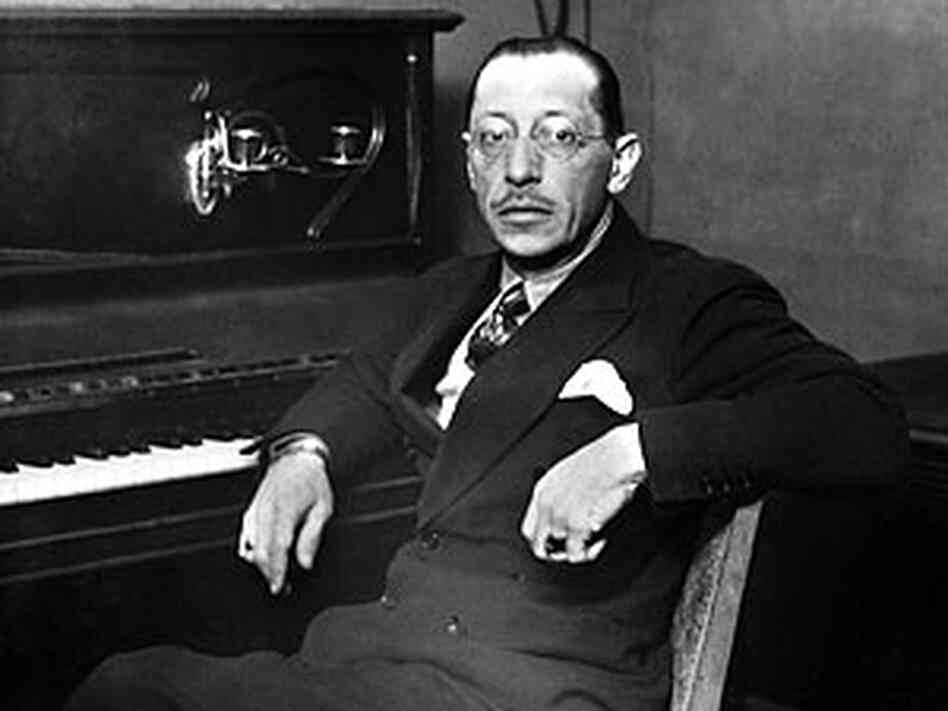
Rites of Spring by Igor Stravinsky


Almost no musical work has had such a powerful influence or evoked as much controversy as Igor Stravinsky's ballet score “The Rite of Spring”. The work's premiere on May 29, 1913, at the Théatre des Champs-Elysées in Paris, was scandalous. In addition to the outrageous costumes, unusual choreography and bizarre story of pagan sacrifice, Stravinsky's music itself was angular, dissonant and totally unpredictable. It redefined 20th-century music, much as Beethoven's Eroica had transformed music a century before.

About the Composition

Stravinsky's  Rites of Spring is one of the most powerful pieces of music I have ever heard. Jarring, dissonant and chaotic to many, I think it is an absolute masterpiece... penned by an innovative--yet methodical--genius.

From the opening eerily haunting bassoon solo...

...to it's percussive ostinatos and unexpected offbeat accents...


...the music evokes a powerful and compelling emotional reaction and vividly portrays through music, an imagery of pagan wild abandon and violent motion.

Monday, January 21, 2013

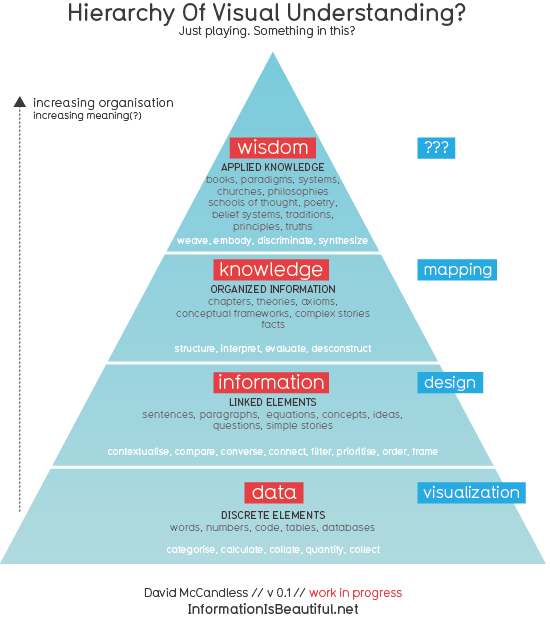
data > information > knowledge > wisdom?

The Hierarchy of Visual Understanding


Does increasing organization increase 
meaning and memory retention?


This interesting pyramid chart is is more of a philosophical "thought piece" but is nonetheless an insightful take on the relationship of data, information, knowledge and wisdom.


From the comments on this (at the URL above) 
  • Noise becomes data when it has a cognitive pattern. 
  • Data becomes information when assembled into a coherent whole, which can be related to other information 
  • Information becomes knowledge when integrated with other information in a form useful for making decisions and determining actions. 
  • Knowledge becomes understanding when related to other knowledge in a manner useful in anticipating, judging and acting. 
  • Understanding becomes wisdom when informed by purpose, ethics, principles, memory and projection.
– George Santayana