Tuesday, January 12, 2016

Mayan Civilization

The Mayans

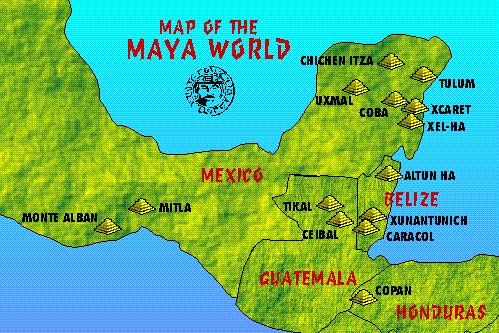
The Maya civilization developed in an area that encompasses southeastern Mexico, all of Guatemala and Belize, and the western portions of Honduras and El Salvador.
The Maya recorded their history and ritual knowledge in screenfold books, of which only three uncontested examples remain, the rest having been destroyed by the Spanish. The Maya developed a highly complex series of interlocking ritual calendars, and employed mathematics that included one of the earliest instances of the explicit zero in the world. As a part of their religion, the Maya practiced human sacrifice.

The Mayans were noted for their hieroglyphic script, the only known fully developed writing system of the pre-Columbian Americas, as well as for its art, architecture, and mathematical and astronomical systems.

The Mayan Civilization (Cities)


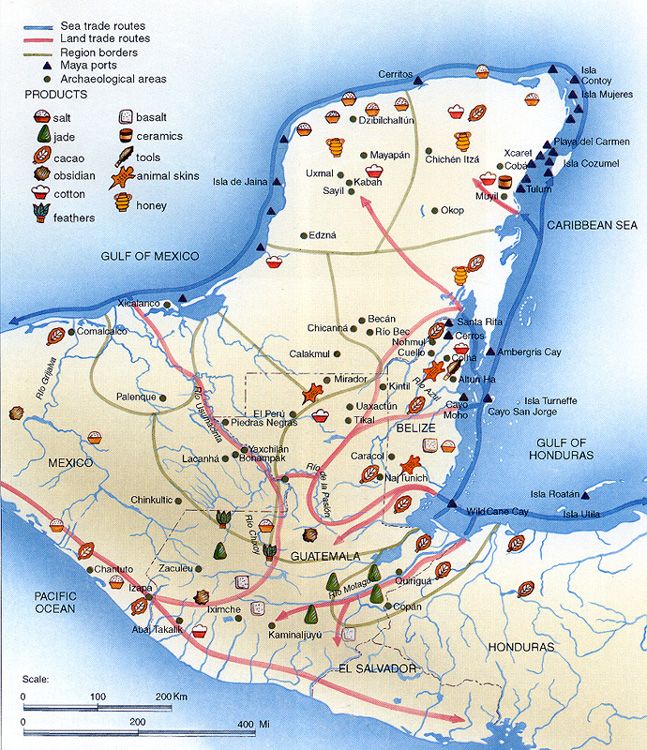
Trade Routes
Ruins

Numerous city ruins have been discovered in the jungles of Yucatan. The principal architecture of these cities consisted of palaces, pyramid-temples, ceremonial ballcourts, and structures aligned for astronomical observation. 


Mayan Causeway

Mayan causeway systems linked important features of a city to one another and later linked cities with other cities. These causeways, created above the ground level, were paved with crushed white stone, and were known as by their Maya name sacbe ("white way"). https://en.wikipedia.org/wiki/Sacbe

Causeway at Labna

Friday, January 8, 2016

Albany/Schenectady Area Trolleys

Two Highlights from a Web Site Detailing History in Upstate NY

Chock full of historical info and photos, maps and “trips in the field” - this site details history on railroads and trolleys in the area, Native Americans settlement in the area as well as how Glacier Flooding created the landscape.

The before and after is much better now!
Scroll to the bottom of the page
Then and Now
Trolley Bridge - Then and Now  Schenectady, NY
Interactive Map 
1924 Trolley Lines in the Albany/Schenectady Area
Interactive Map of Interurbans in the Albany/Schenectady Area- 1924 -

History Tidbits Home Page >


Friday, December 18, 2015

American History - YouTube Gems

Gems? There were only a couple that qualified: short and based on map animations.

American History in 60 seconds


Expansion of the United States Map 1763 - Present


Wednesday, December 16, 2015

World History (Empires) - YouTube Gems

Five Great History Animations worthy of special mention.  Four of these listed below feature maps that expand and collapse thru time. The fifth animation uses an “empire sized by circle” approach in which bubbles grow and pop off "children” - Very unusual but the in-depth attention to historical detail is amazing.

Top 10 Largest Empires


Very informative

History Of The Empires

^ Actually just focused on the Mediterranean and Middle East Regions but still informative

The History of the World's Civilizations in 2 Minutes


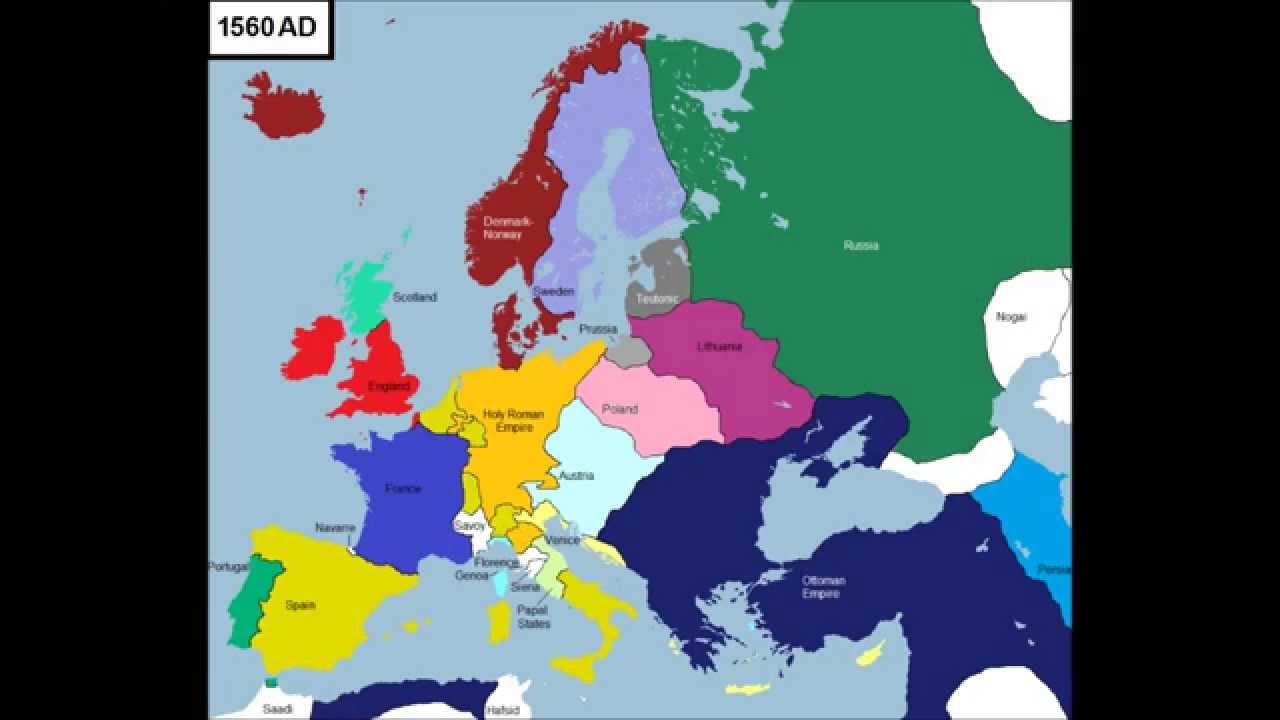
History of Europe - 6013 years in 3 minutes


Tuesday, December 15, 2015

U.S. Railroads and Interurbans - YouTube Gems

U.S. Railroad History Map 1830 - 1990s


Nicely made short documentary

Why The U.S. Has The Worst Public Transit System


Interurban Railway Systems


Top Notch Investigative Journalism
“creating a whole new mindset... eliminate rail alternatives.. GM hit list”

Monday, December 14, 2015

World Religions - YouTube Gems

Interactive maps are great but sometimes a short video can present the info in a more compelling way. YouTube is chock full of crap but there are gems aplenty as well.

History of Religions

Timeline on bottom is a nice touch

How Religion Spread Around the World

^ Fantastic!

1300 Years of Islamic History in 3 Minutes


^ Very Nicely Done

Saturday, December 12, 2015

Greek History - The Hellenistic Period (Part Two)

The Empire of Alexander The Great

Alexander the Great became the leader of the Greek kingdom of Macedonia and had built an empire that stretched from Greece all the way to India. That brief empire-building campaign changed the world: It spread Greek ideas and culture from the Eastern Mediterranean to Asia.
The Empire of Alexander The Great

“Hellenistic Period” (323 B.C. until 31 B.C)

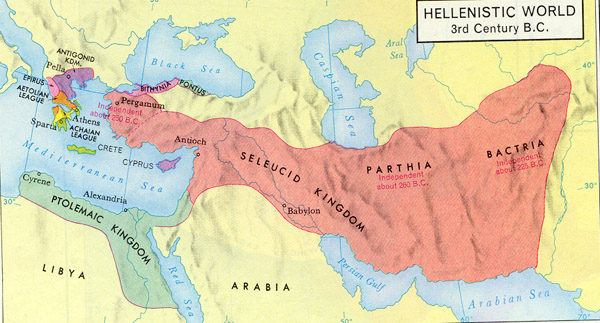
Known as the “Hellenistic Period”, it lasted from the death of Alexander in 323 B.C. until 31 B.C., when Roman troops conquered the last of the territories that the Macedonian king had once ruled.

Following Alexander's death in 323 BC. His generals Ptolemy, Antigonus, Parmenion, Cassander, and Seleucus engaged in a bitter struggle to carve out personal kingdoms from Alexander's conquests. After 40 years of war, three major dynasties were settled on.
Alexander's Empire was divided amongst his generals

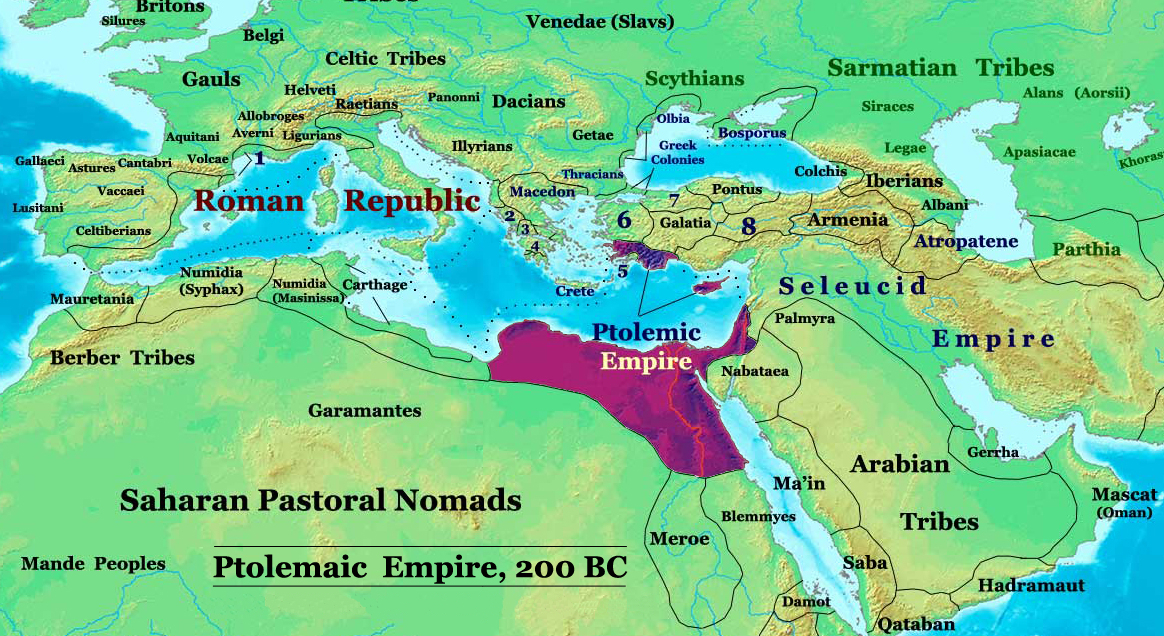
1 - Ptolemaic Empire

Ptolemy controlled Egypt and created a Ptolemaic dynasty that ruled Egypt until its absorption into the Roman Empire by Augustus in 30 B.C.

Ptolemaic Empire in 200 BC

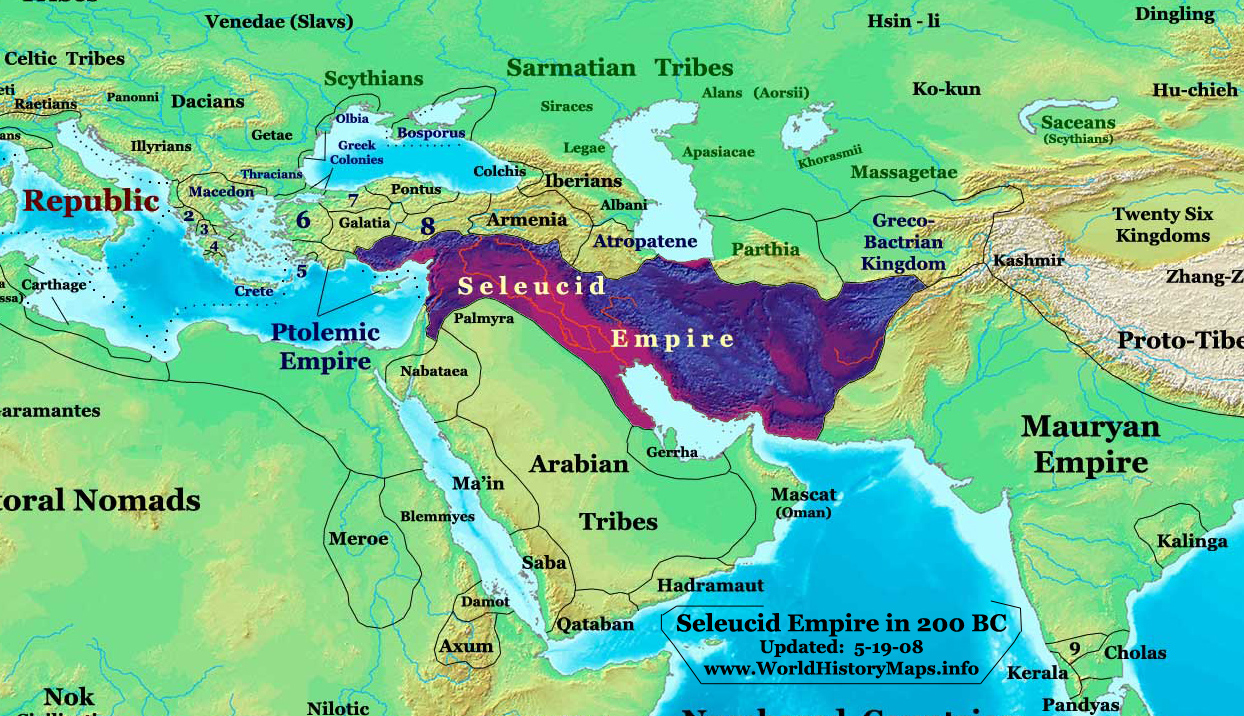
2 - Seleucid Empire

Seleucus created in the Near East a large empire, sometimes stretching as far as Iran and even India.
Seleucid Empire in 200 BC
(before expansion into Anatolia and Greece)

3 - Antigonid Empire

 Finally, in Macedon the Antigonid dynasty ruled the smallest division of Alexander's Empire and had the most troubles from the start. The first founder of the Antigonid Dynasty was Antigonas, who gained control of Asia Minor after Alexander’s death. He attempted to reunite the empire under his own rule and declared himself king, but he was defeated and killed in 301 BC.

After numerous battles with neighboring kingdoms and losses to Seleucus, the Antigonid Dynasty ended up hemorrhaging most of Asia Minor (Anatolia) and was considerably reduced in size.